


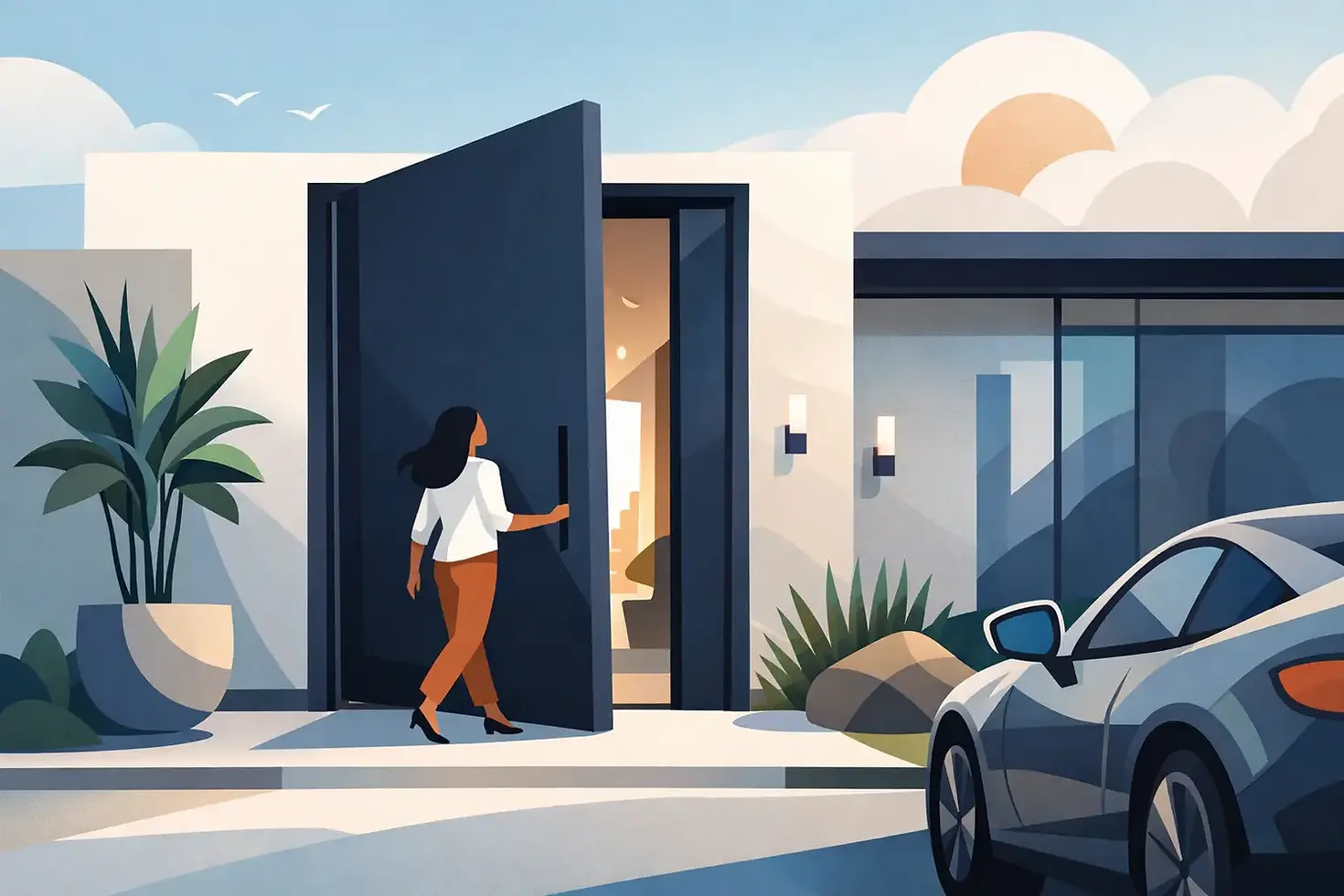
Oversized Pivot Doors for Homes That Make an Entrance
A grand entry should feel intentional before anyone reaches for the handle. Oversized pivot doors for homes create that moment with a single, architectural gesture: a wide, tall door that appears to float as it opens, framing the threshold with strength, light, and unmistakable presence. For a custom residence or a thoughtful renovation, that scale can transform the entire face of the home.
A pivot door is not simply a larger version of a traditional front door. Its engineering, sightlines, materials, and placement all work together. When those details are considered early, the result is an entrance that feels proportionate to the home, welcoming to guests, and built to remain beautiful through years of daily use.
Why Oversized Pivot Doors for Homes Feel Different
Traditional hinged doors hang from side hinges, which places most of their visual and physical weight at the jamb. A pivot door rotates on a specialized pivot system positioned at the top and bottom of the door. The pivot point is set in from the side, allowing a much wider and heavier door to move with a controlled, balanced motion.
That difference changes the experience of arrival. A pivot door can create a broad opening without the visual interruption of paired doors, a bulky center mullion, or an oversized frame. It is especially striking on homes with clean contemporary lines, expansive glass, limestone facades, warm wood accents, or a dramatic covered entry.
Scale is only part of the appeal. Steel and wrought iron pivot doors can bring a sense of permanence that lighter materials often cannot match. Their slender profiles support generous glass panels while maintaining a strong architectural outline. By day, they invite natural light into the foyer. At night, they become a sculptural focal point, especially when interior lighting catches the metalwork and glass.
Start With Proportion, Not Just Size
The most successful oversized door is not always the tallest or widest option. It is the one that belongs to the architecture. A door that is too small can disappear beneath a soaring roofline; one that is too large for a modest facade can make the entry feel out of balance.
Consider the full composition: the height of the entry roof, the width of the porch, the scale of nearby windows, columns, exterior cladding, and the amount of wall surrounding the opening. A tall, narrow opening may call for a vertical steel design with elongated glass panels. A broad, modern facade may be better suited to a wider pivot door with a bold horizontal rhythm or a single uninterrupted glass field.
The view from inside matters just as much. An oversized pivot door often becomes the visual anchor of the foyer. Think about what guests see when the door is open and what the household sees every day when it is closed. The best design connects the exterior architecture to the interior finishes instead of treating the entrance as a separate decorative element.
For Texas homes, proportion also includes shade and exposure. A deeply covered entry may allow a more open glass design, while a west-facing facade may benefit from thoughtfully selected glass and a design that moderates direct afternoon sun.
Choosing a Style That Holds Its Place
A pivot door has enough presence to define an entry, so every design decision carries weight. Contemporary homes often benefit from clean steel frames, minimal divisions, and expansive glass. This approach feels crisp and tailored without becoming cold, particularly when paired with a warm bronze, black, or custom-finished frame.
For homes with Mediterranean, transitional, or more traditional influences, hand-forged iron details can introduce movement and character. The key is restraint. An oversized door already makes a statement, so ornamental scrollwork, textured glass, and decorative panels should support the home’s language rather than compete with it.
Glass selection deserves the same consideration as the metal design. Clear glass creates an open, luminous connection between the foyer and exterior. Frosted, rain, reeded, or other privacy glass treatments can soften views into the home while preserving daylight. For many homeowners, the ideal choice is a tailored balance: enough visibility to make the entry feel alive, with enough privacy to remain comfortable after dark.
Color and finish help the door settle into the larger palette. Matte black offers a timeless contrast against stucco, stone, and light brick. Dark bronze can feel softer and more layered. A custom finish may be the right answer when coordinating with window frames, exterior lighting, railings, or a signature interior material.
The Engineering Behind a Beautiful Opening
Oversized doors require serious support. The visual lightness of a pivot door should never be mistaken for simplicity. Its weight, dimensions, glass configuration, and hardware must be calculated as one system.
A properly specified pivot system is designed for the door’s exact weight and expected use. It supports a controlled swing and helps the door return to its intended position. The surrounding structure must also be prepared to carry the load. This is why coordination among the door fabricator, builder, architect, and installer is essential, particularly on new construction.
The threshold, weather protection, and drainage details matter as much as the pivot hardware. A front entry needs to perform through wind, rain, temperature changes, and regular traffic. In many Texas communities, weather can shift quickly from intense sun to heavy storms. Thoughtful fabrication and installation help protect the entry from water intrusion while preserving the clean, minimal look that draws homeowners to pivot doors in the first place.
Security should be designed into the door rather than added as an afterthought. A handcrafted steel door provides a substantial foundation, while quality locks, handles, reinforced framing, and correctly integrated glass choices complete the system. The goal is not to make the entry look defensive. It is to create a home entrance that feels gracious, solid, and reassuring every time it closes.
What to Decide Before Fabrication Begins
Custom work gives homeowners freedom, but it also rewards early decisions. Before fabrication, the team should have a clear understanding of the finished opening dimensions, wall depth, floor conditions, exterior finish, and swing direction. Details that seem minor on paper can influence how the door feels in use.
Think through the approach to the home. Does the door open toward a stair, a large rug, a console table, or a central foyer view? Will it be used daily by a busy family, or is it primarily a formal front entry? A wide pivot door can make moving furniture, hosting holiday gatherings, and welcoming guests easier, but its swing path needs room to work naturally.
Hardware is another decision worth making early. A long pull handle can emphasize the vertical height of the door and create a refined, contemporary look. A more traditional handle set can add familiarity and detail. Either can work beautifully, provided its finish, placement, and proportion are designed for the door rather than selected as a final accessory.
At Babylon Iron Doors, that design conversation is part of the craftsmanship. A door can be chosen from an established design direction or created around exact dimensions, glass preferences, finishes, and architectural details. The purpose is not to force a home into a standard opening, but to bring the homeowner’s vision to life with a door that feels made for that address.
Is an Oversized Pivot Door Right for Your Home?
A pivot door is an investment in both construction and character. It may not be the right choice for every entry. Homes with limited covered space, constrained swing clearance, or a facade that calls for a more modest scale may be better served by a beautifully proportioned single or double iron door.
But when the architecture can support it, an oversized pivot door offers something difficult to replicate: a dramatic opening with a calm, deliberate movement. It makes the transition from outside to inside feel considered. It gives the home a center of gravity. And it turns the everyday act of coming home into a moment that still feels special years later.
The right door should never feel like an addition to the house. It should feel as though the home was designed around it - a lasting expression of welcome, security, and personal style.


Comments