


Wrought Iron Door Security Features That Matter
A front door can be the most expressive architectural element of a home - and one of its most consequential security decisions. The best wrought iron door security features do more than create an imposing first impression. They work together: carefully fabricated metalwork, thoughtfully selected glass, dependable locking hardware, and precise installation all protect the entry while preserving the light, scale, and beauty that drew you to an iron door in the first place.
For a custom residence, security should never feel like an afterthought added to a beautiful design. It should be built into the design from the first conversation.
Security Starts With the Door’s Structure
Wrought iron is valued for its strength, but material alone does not determine how a door will perform. The quality of fabrication, the thickness and construction of the frame, the connection points, and the fit within the opening all matter. A beautifully patterned door with weak welds or a poorly supported frame will not offer the same confidence as a door engineered as a complete system.
A well-made iron door begins with a substantial steel or iron frame designed to hold its shape over time. Hand-forged scrollwork, bars, and decorative elements should be securely joined rather than simply applied for appearance. This creates a door that feels solid when operated and resists the everyday stresses that eventually affect lighter entry systems.
The frame deserves as much attention as the door slab itself. It is the anchor of the entire entry. For custom openings, particularly tall arched entrances, double doors, and pivot configurations, exact measurements are essential. A properly fitted frame helps prevent shifting, uneven gaps, and hardware misalignment that can compromise both security and weather performance.
Wrought Iron Door Security Features Beyond the Metal
The most effective security comes from layers rather than a single feature. A custom iron door can be specified to include several protective elements without sacrificing its architectural presence.
Reinforced glass without closing off the home
Glass is often what makes an iron entry feel welcoming. It introduces daylight, reveals the artistry of the metalwork, and creates a connection between the foyer and the exterior. It also needs to be selected with security in mind.
Insulated, tempered glass is a common choice for exterior doors because it is designed to break into smaller pieces rather than dangerous shards. Laminated security glass can add another level of protection. Its interlayer helps hold the glass together if it is struck, making forced entry more difficult and reducing the chance of an immediate opening.
Privacy is a separate consideration. Frosted, rain, seeded, or textured glass can soften views into the home while still allowing natural light to pass through. For homeowners who want a more open visual effect from the street, clear glass paired with a carefully designed iron pattern can provide visibility without leaving a broad, unobstructed pane. The right option depends on the entry’s exposure, the layout of the home, and how much privacy you want after dark.
Locks that match the weight and purpose of the door
An exceptional door still relies on its locking system. High-quality deadbolts, multipoint locking systems, and properly matched handlesets are central to a secure entry. Hardware should be selected for the door’s thickness, weight, configuration, and daily use, not simply for its finish.
A multipoint lock secures the door at more than one location along the frame, rather than relying solely on a single deadbolt near the handle. That can be especially valuable for tall doors, French-style double doors, and entries exposed to strong wind. It also helps the door pull tightly into the weatherstripping for a more refined closing experience.
For double doors, the inactive leaf should have secure top and bottom bolts or an integrated locking solution. For a pivot door, the pivot hardware and locking points require special planning because the door’s weight and movement differ from a traditional hinged entry. Smart locks can be a practical addition for households that value controlled access, guest codes, and remote monitoring, but they should complement strong mechanical hardware rather than replace it.
Hinges, pivots, and strike plates that carry real weight
Hardware is where a premium door reveals its quality every day. Heavy-duty hinges, reinforced pivot systems, and substantial strike plates help the door operate smoothly while supporting its security function. The strike plate should be securely fastened into solid framing, not only the trim or jamb material.
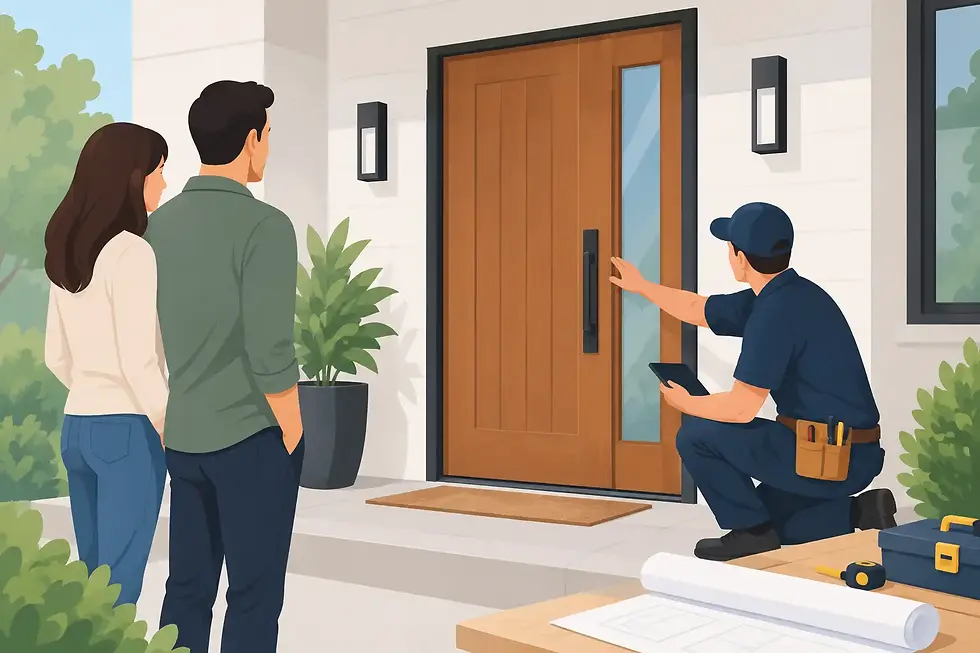
This is also why installation should be treated as part of the product, not a final step after the design is complete. Even the strongest door can underperform if its hinges are not aligned, its fasteners are insufficient, or its frame is not properly secured to the surrounding structure.
Design Choices That Support Privacy and Peace of Mind
Security is not always about resisting force. Sometimes it is about reducing unwanted visibility and creating a sense of control at the threshold. The proportions of the glass, the density of the ironwork, sidelights, transoms, and the placement of the entry itself can all influence how private the home feels.
A contemporary iron door with broad glass panels may suit a secluded property with a long approach. A home closer to the street may benefit from a denser pattern, textured glass, or a design that places more visual weight at eye level. There is no universal answer. The goal is to create an entrance that feels open to invited guests and appropriately protected from public view.
Lighting also deserves consideration. A well-lit entry improves visibility for arriving family members and visitors while drawing attention to the craftsmanship of the door. Integrated landscape lighting, porch fixtures, and a clear view from inside the home can make the entrance feel more comfortable without turning it into a harshly illuminated checkpoint.
Weather Performance Is Part of Security
Texas homeowners know that an exterior door must handle more than daily traffic. Heat, intense sun, rain, humidity, and sudden storms can test every part of an entry system. When a door warps, gaps develop, or seals fail, the problem is not only energy loss. It can affect how securely the door latches and how well the frame supports it.
Proper weatherstripping, thresholds, sweeps, drainage planning, and finish selection help preserve the performance of an iron door over the years. Insulated glass can improve comfort near the entry, while a carefully finished metal surface helps defend against moisture and corrosion. In coastal areas or locations with persistent humidity, maintenance requirements may be more demanding, so finish and care plans should be discussed early.
A secure door should also be easy to inspect. Homeowners should periodically check that locks engage cleanly, hinges remain tight, glass seals are intact, and the door closes evenly. Small adjustments made promptly can protect a significant investment and keep the entry feeling as precise as the day it was installed.
Customization Lets Security Belong to the Architecture
Standard doors often force homeowners to choose between the look they want and the performance they need. A custom iron door allows those decisions to be made together. You can select a single door, grand double-door entry, pivot design, arched profile, sidelights, glass treatment, finish, and hardware package in response to the home itself.
That collaboration matters most when the opening is unusual or the design vision is highly specific. A minimalist contemporary home may call for clean lines, dark framing, and discreet multipoint hardware. A more traditional estate may feel complete with hand-forged scrollwork, decorative glass, and a substantial handleset. Both can be secure when the structural details are considered from the beginning.
At Babylon Iron Doors, the conversation begins with your vision, but it should also include practical details: who uses the door, how exposed the entry is, what level of privacy feels right, and how the door must perform in your climate. Those choices turn a statement piece into a lasting part of the home.
The right iron door does not ask you to choose between elegance and reassurance. It gives your home a graceful, enduring welcome - one that feels every bit as considered when the door closes behind you.


Comments